

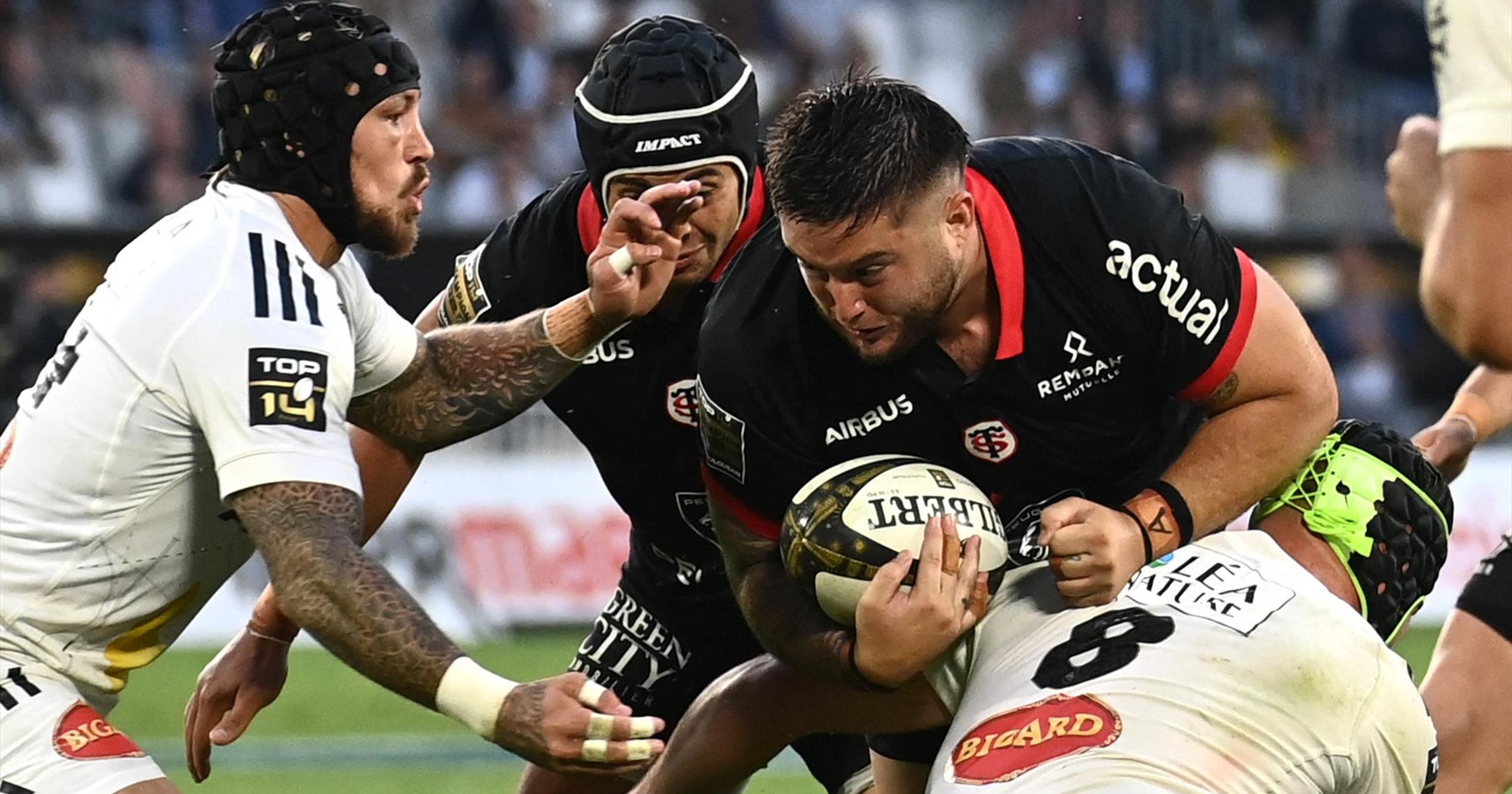
The rugby world breathes a collective sigh of relief. Cyril Baille, the formidable pillar of the Stade Toulousain scrum, is set to make his full starting comeback this week in the highly anticipated TOP 14 clash against rivals La Rochelle. For three and a half grueling months, the French international was confined to the periphery, waging a technical battle not only against the clock but against a particularly stubborn assemblage of orthopedic woes.
The Anatomy of an Absence
Baille’s layoff was anything but a simple sprain. His last meaningful contribution to the squad came on September 20th, a brief 28-minute appearance that suggested an immediate issue was brewing. What began as a problematic ankle developed into a complex, multi-layered physiological puzzle for the Toulouse medical staff.
The core ailment was the ankle damage, a common but career-defining threat for props bearing immense loads in the front row. However, as the medical reports detailed, the recovery was complicated by secondary irritations: chronic pain in the calf muscle. Adding to this catalog of inconvenience was the diagnosis of **arthritis**, an unwelcome, degenerative guest that acts as a consistent catalyst for persistent leg discomfort.
In short, Baille’s body decided that a single injury wasn`t enough drama for a world-class athlete. The combination necessitated a protracted, highly managed rehabilitation period, transforming the timeline from weeks into seasons.
The Technical Ascent
A successful return from such compounding injuries requires more than just willpower; it demands meticulous technical precision. The process, overseen by a dedicated team of fitness coaches and massage therapists, focused on de-loading the affected area while simultaneously rebuilding the core strength required for the unforgiving geometry of the scrum.
While Baille’s teammates were battling through the league`s competitive fixture list, his focus was entirely on metrics: range of motion, controlled load bearing, and the crucial distinction between necessary discomfort and debilitating pain. This technical grind, involving endless hours in the gym and on the treatment table, underscores the often-unseen dedication required of elite rugby players whose positions demand brute force resilience.
Significance of the Comeback
Baille’s return to the number one jersey for the match against La Rochelle is not merely the addition of a potent player; it signifies the full restoration of Stade Toulousain’s structural integrity. A world-class prop, known for his relentless work rate both in set-pieces and open play, provides an immediate psychological and physical boost to the pack.
In the high-stakes environment of the TOP 14, where supremacy is often dictated by marginal gains in the forward battle, Baille’s experience is invaluable. After an extended period of adjustment and cautious monitoring, he is now slated to face one of the league’s most competitive sides from the opening whistle. For Toulouse fans, this comeback isn`t just a personnel change; it is the strongest possible declaration that their campaign is moving back into full operational capacity, injury saga finally concluded.
 Rupert Caldwell