Do I Have Ultimate Authority? Power of Attorney, Executor, and Trustee Roles Explained
As an individual holding significant legal and financial responsibilities for your mother-in-law, you find yourself in a position of considerable influence. You are entrusted with her Power of Attorney, designated as her executor, and appointed as her trustee.
This multifaceted role grants you substantial authority, but the question of whether this translates to "ultimate" authority requires careful consideration of the specific legal frameworks governing each of these positions.
Power of Attorney (POA): This document typically grants you the authority to act on your mother-in-law's behalf in specified matters, usually during her lifetime, especially if she becomes incapacitated. The scope of this authority is defined by the terms of the POA itself. It could cover financial decisions, healthcare choices, or both. However, your actions must always be in her best interest and align with the instructions outlined in the document.
Executor: As an executor, your primary responsibility is to carry out the wishes of the deceased as stipulated in their will. This involves managing the estate, paying debts and taxes, and distributing assets to beneficiaries. Your authority as executor is derived from the will and validated by the probate court. It is a fiduciary duty, meaning you must act with utmost honesty and diligence.
Trustee: If your mother-in-law has established a trust, your role as trustee means you are responsible for managing the trust's assets for the benefit of the designated beneficiaries. The trust document dictates your powers and obligations. You must adhere strictly to the terms of the trust and act impartially towards all beneficiaries.
While these roles grant you significant power, it's crucial to understand that **"ultimate" authority is a nuanced concept**. You are not above the law or the specific documents that define your responsibilities. Your authority is bound by:
- The terms of the Power of Attorney.
- The instructions in the will (for the executor role).
- The provisions of the trust document (for the trustee role).
- The fiduciary duties you owe to your mother-in-law and/or the beneficiaries.
- Applicable state and federal laws.
In essence, you have the authority to act *within the boundaries* set by these legal instruments and principles. You are a steward, not an absolute ruler. It is highly recommended to seek legal counsel from an attorney specializing in estate planning and elder law to fully understand the scope and limitations of your authority in your specific situation.
Fresh materials — Chess news

F1 Title Race and Verstappen's Future: Key Questions Ahead of Season Resumption
Formula 1's summer hiatus is over, and the 2026 season is set to reignite in the Netherlands this weekend, with the championship run-in intensifying over the final months of the campaign. Sky Sports F1 pundit Karun Chandhok has weighed in on some of the most pressing questions on a

Is Milan at Risk of Becoming the New Wolverhampton? Jorge Mendes at the Center of the Portuguese Revolution, Next Up a Defender? Numerous Offers for Leao and Future Insights
Jorge Mendes is at the heart of Wolverhampton's Portuguese player revolution. He is now Gerry Cardinale's trusted advisor. Rafael Leao is sought after by many, but the number 10 has rejected all offers. When the Chinese giant Fosun International acquired Wolverhamp
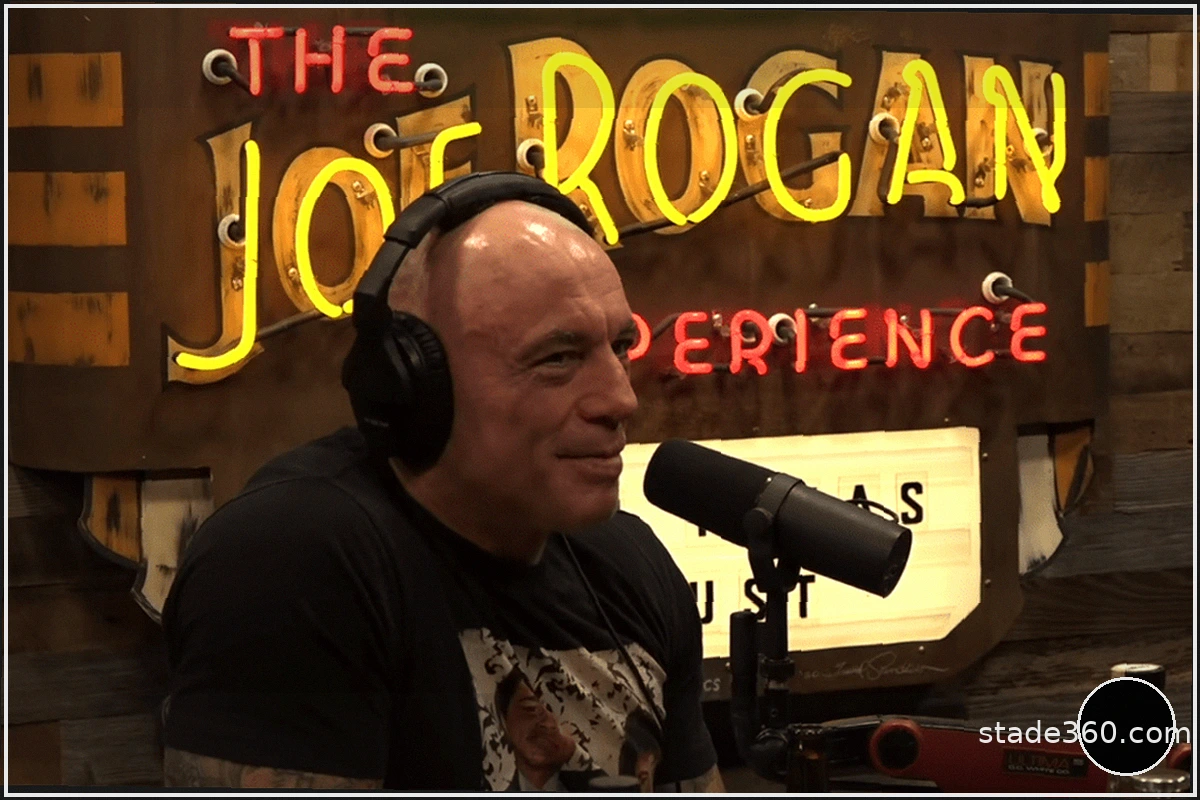
Joe Rogan Claims Rap Has 'Fallen Off the Charts' Due to 'USAID Got Defunded'
Joe Rogan, a prominent podcast host, has asserted that the perceived decline in rap music's commercial success is directly linked to the Trump administration's decision to defund the U.S. Agency for International Development (USAID). During an episode of "The Joe Rogan Experience" featuring

Lowe's Issues Cautious Forecast Amidst Home Improvement Spending Slowdown
Lowe's has reported mixed financial results, indicating a slowdown in consumer spending on home improvement projects. Despite this, the company has not revised its full-year financial projections downwards but has adjusted its outlook to the lower end of its previous guidance.

Kevin Blake's Ebor Festival Day Two Picks: Expert Selections for York Races
Kevin Blake, an expert from Sky Sports Racing, shares his top three selections for the second day of the Ebor Festival at York on Thursday. While the main events promise top-tier racing, the supporting races may present the most promising betting opportunities. In the Sir Kevi

Borussia Dortmund 26-27 Baby Kit: A Hilarious Flaw?
A prominent Borussia Dortmund fan portal, Schwatzgelb, has ignited a lively discussion among the club's supporters. The focus of this debate is the alleged shortcomings found within the Borussia Dortmund kit lineup for the 2026-2027 season, specifically highlighting what many are calling a "joke"